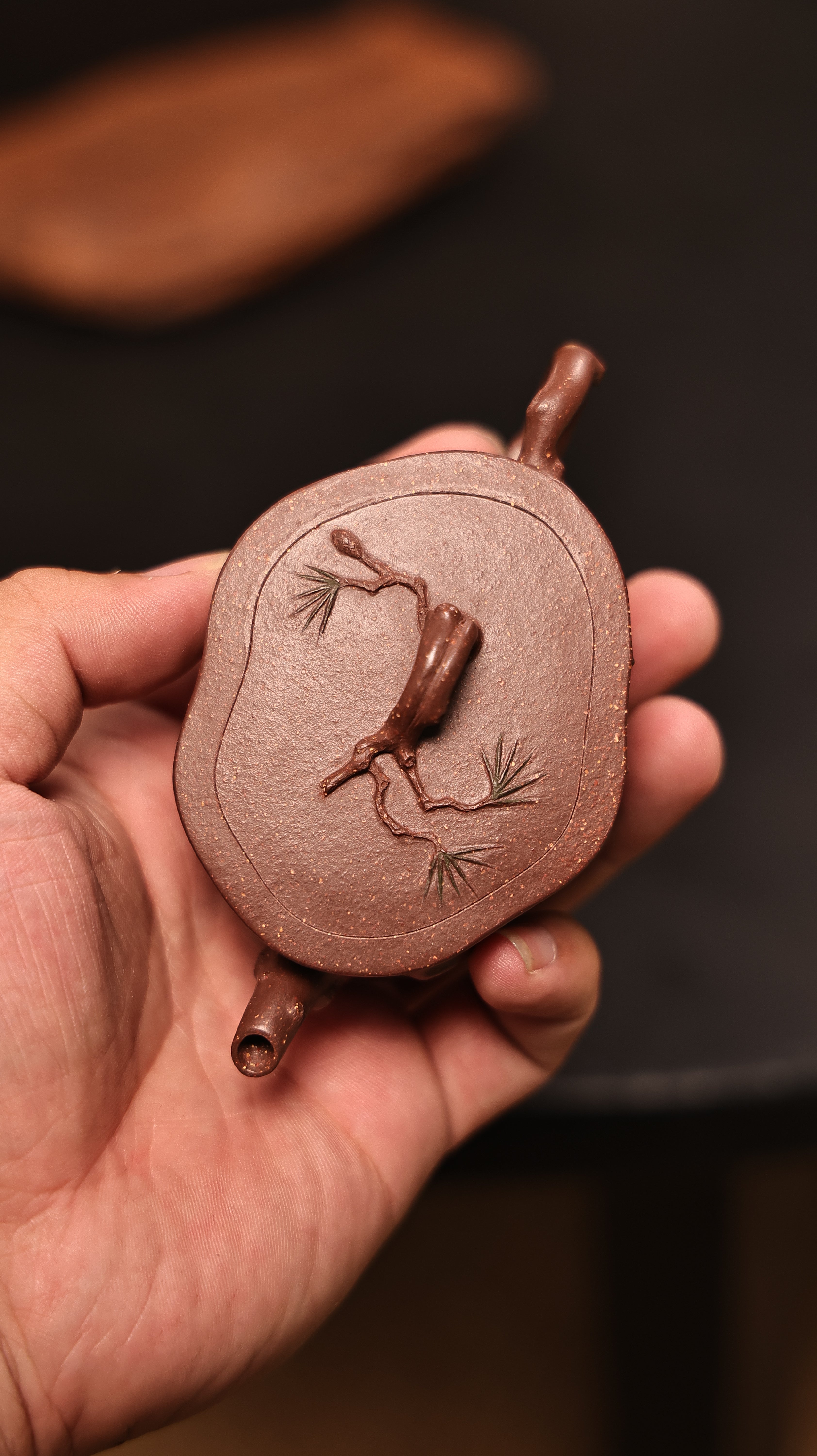
What unboxing experience should you design around a Purple Clay Teapot to delight customers?
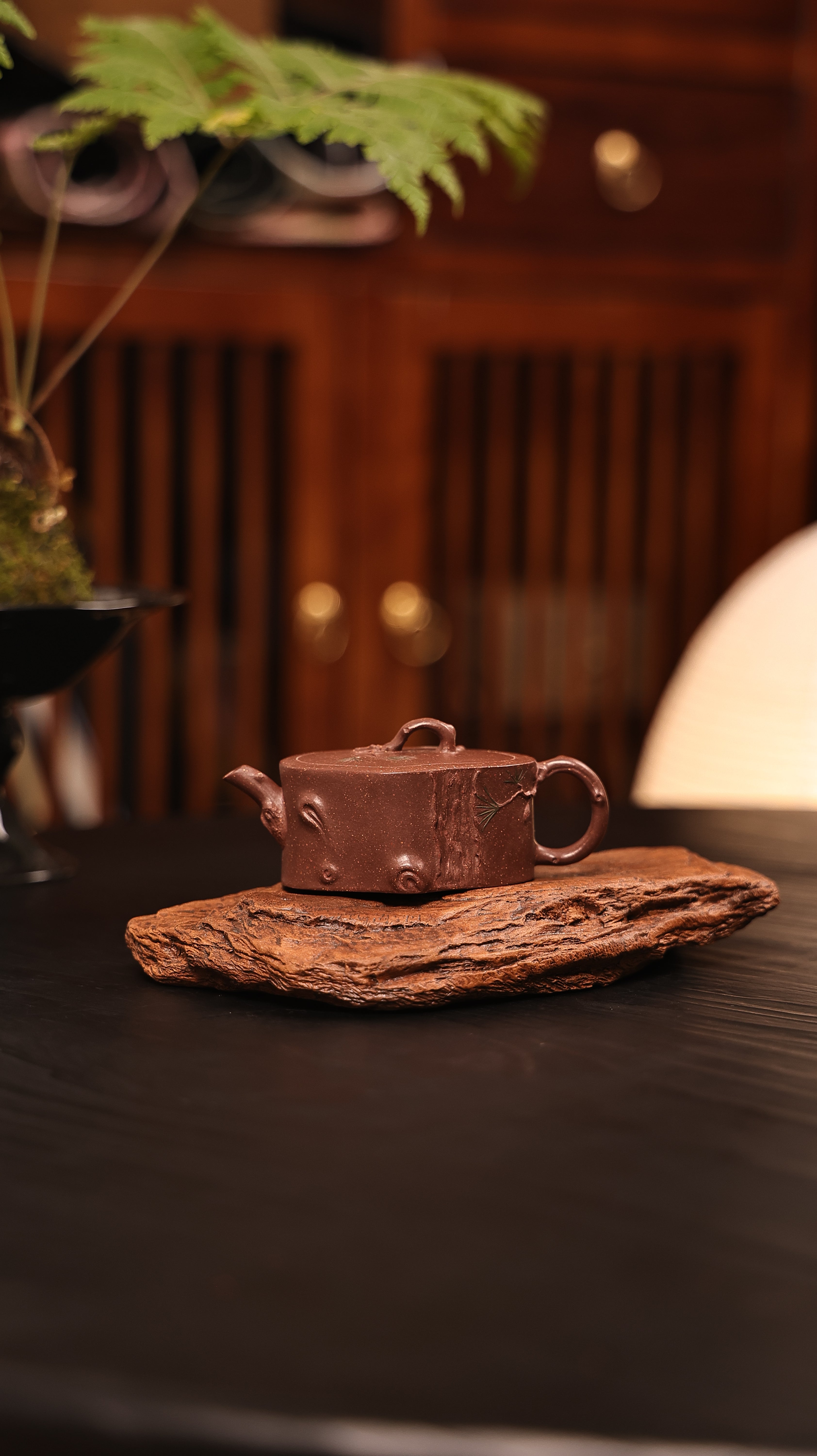
Sustained legacy establishes Chinese mugs around epochs,
Representing singular traits derived out of homegrown mauve minerals, such jars gain a glow amid employment, refining bouquet released from infused beverages.
Understanding Yixing Soil: Thorough Insights into Zisha
Numerous followers acknowledge the unparalleled fabric of Yixing lavender clay, a keystone of heritage Chinese teaware. Emerging from the Yixing region of Jiangsu province, this notable clay shows an refined mineral blend, what provides outstanding qualities to the manufactured objects. Kinds within Zisha, including Purple Mud, Duan Ni Mud, and Jiang Xi Mud, each offers particular tints, patterns, and firing traits, determining the absorption and the decisive flavor refinement of the elixir.
Oriental Pottery Rituals: Uncovering Skill
Celestial teapots embody above mere holders for tea; they signify centuries of ancestral sophistication. From the distinguished Yixing clay variations, respected for their breathable nature which imparts particular tastes to the drink, to the refined porcelain from Jingdezhen, each piece tells a record of devotion. The development process is an careful journey, often relayed through lineages of professionals. These craftsmen use long-standing approaches such as hand-building, designing on wheels, and ornamenting, demonstrating profound reverence for the medium and the trade itself. Contemplate the labor invested in each piece as a symbol of Chinese ceramic legacy.
- Chinese urns: a famous assortment.
- Refined china teapots: valued for their delicate design.
- Shaping techniques: a challenging yet fruitful procedure.
Yixing Zisha Pot Treatment: Safeguarding Your Adored Belonging
Sufficient handling of your valued Yixing Zisha container is paramount to extending its aesthetic. Crafted from exclusive purple sand earth, these outstanding teapots attain a deep patina after service, notably boosting their allure. Avoid cleaning agents; a light rinse with temperate liquid is satisfactory. Eschew high temperature water for washing the teapot, as it may break its fabric. Allow it to lose wetness away from direct radiance. Consider flavoring your teapot regularly using choice tea, especially rich varieties. Here is a brief summary:
- Flush with pleasantly warm hydrous substance.
- Refrain from cleaners.
- Enable it to become free of moisture.
- Familiarize with select tea.
Ancestry of Yixing Teapots: Commencement
The story of Yixing teapots starts simply during the Tang dynasty, about the 16th era. Initially, these pots were not the cherished artifacts they are acknowledged nowadays. They were created by provincial potters using the sole purple clay located solely in the Yixing vicinity. These early items were chiefly utilitarian, purposed for routine function and often plain in appearance. It was not until the later dynasty that they began to earn prestige beyond mere working pieces.
Considering the Suitable Jiangsu Container: A Novice's Guide
Venturing the territory of Yixing teapots can be complex, but refrain from doubting! For newcomers, the primary factor is understanding the mud. Certified Yixing clay is prized for its transparency, allowing the teapot to hold the tea's taste over time, improving every creating session. Ponder the contour; traditional spherical shapes prevail, yet tailored preferences are important. Lastly, review the finish—while some favor an plain appearance, others like a mild gloss. Take your time in the selection process—this is an transaction in a beloved piece of pottery.
Zisha Jars and Their Contribution on Chinese Tea Ceremony
Zisha pots, originating from Yixing, China, have profoundly changed established Chinese tea culture. Those Yixing clay teapots, prized for their unique complexion, surface, and exceptional ability to impart a subtle taste to the liquid, are more than mere utensils; they are respected works of art and symbols of prominence. The very act of preparing and serving elixir using a Zisha teapot is steeped in heritage, elevating the experience beyond simple refreshment. Successions of artisans have developed their techniques, passed down through lineages, resulting in highly appreciated pieces. Therefore, Zisha teapots are frequently accumulated, playing a crucial part in cultivating local appreciation for aesthetics and the ceremony of beverage ceremonies.
- Peculiar Clay Composition
- Imparting Subtle Flavor
- Exquisite Craftsmanship
Identifying Genuine Collectible Chinese Artifacts
Purchasing a real Yixing teapot can be a fruitful experience, but the arena is often flooded with replicas. Discerning between a true antique and a new reproduction requires exact inspection. Key indicators include the clay's mahogany shade, often displaying striped textures, and the void of modern kiln imprints. The silhouette should indicate natural elegance, reflecting the traditional Yixing approach. Finally, reviewing the potter's stamp is fundamental to verify certainty against published records.
- Assess the clay's surface.
- Look for flaws, indicative of artisan quality.
- Request an advisor for verification.
Considering Purple Kettles: A Comprehensive Handbook to Clay Ware Recognition
The industry of Yixing Zisha wares affords a special option for shrewd collectors. More and Yixing Zisha Teapot more, the price of these traditional artifacts is guided by diverse components, such as the rank of component, the dexterity of the potter, the historical significance, and, naturally, the present trade. Newcomers should prioritize on researching the diverse categories of Zisha clay—such as Ice River, Tranquil Vessel, and Scarlet Earth—and researching the traits linked to each. Thorough assessment of the teapot's form, color, and seal is concurrently mandatory to make educated judgments when investing.