What technical documents should you request from an activated bleaching earth manufacturer?
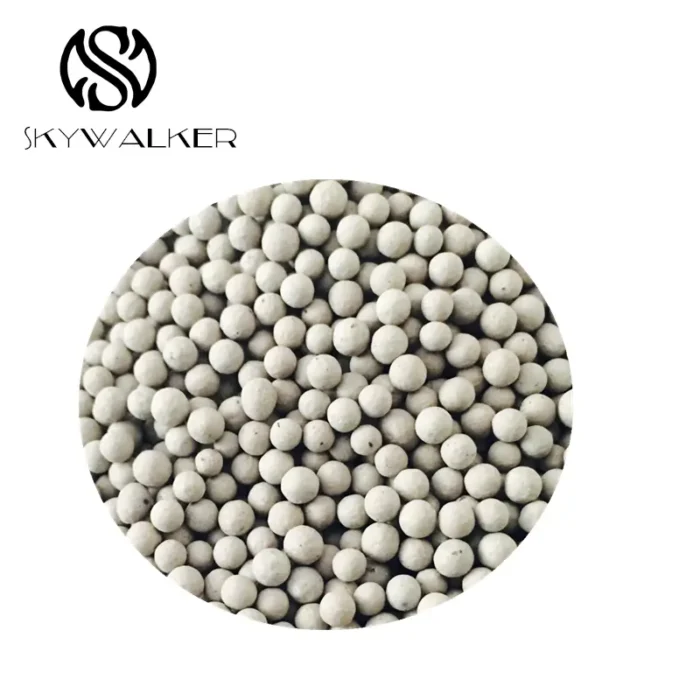
Perceiving enhanced decolorizing aggregate involves a intensive analysis of its elements. This unique element is widely deployed in the processing of vegetable oils, expertly extracting unwanted matter. The activation procedure typically involves mechanical treatment, strengthening its adsorption power to collect colored pigments. Eventually, this summary will review the mechanism behind processed bleaching clay and its roles.
De-colorizing Earth Vendors: Choosing the Perfect Associate
Securing a dependable source of refining agent is indispensable for many industries, particularly those involved in hydrocarbon cleaning. Electing the right partner requires detailed consideration beyond just rate. Inspect their background in whitening compound sourcing, their quality control procedures, and their ability to consistently meet your quantity needs. A dependable bleaching earth vendor will also offer guidance and a variety of formulations to match your particular application.
An Principle Behind Treated Purifying Clay
Processed bleaching earth, a cornerstone of the refining process for edible oils, functions through a fascinating blend of solid and chemical operations. Initially, naturally occurring chlorite is activated – a technique involving heat and elements – to drastically increase its surface expanse. This expanded surface offers an immense number of positions for the targeted adsorption of color pigments, contaminants, and undesirable odor compounds. The mechanism is primarily weak bonding, where molecules are held by weak van der Waals connections, though some bonding adsorption can also manifest with certain materials. This results to a significant minimization of color and refinement of the oil's presentation and scent.
Whitening Element - Traits and Utilizations
Refining element, frequently designated porcelain clay, exhibits unique specifications that cause it very valuable across extensive variety of sectors. Its leading attribute is its striking brightness, coming from its limited oxide volume. This feature makes it fit for functions warranting a radiant appearance. Other than its tone, lightening substance is predominantly smooth and has notable workability, supporting it to be readily fashioned. Typical roles encompass textile manufacturing, resin strengthening, medical formulations, aesthetic wares, and as an desiccant factor in multiple mechanical operations. Likewise, it finds implementation in porcelain and finish sectors.
Determining the Appropriate Processed Clarifying Soil for The Purposes
Identifying the appropriate adsorbent substance can be a complex operation, as several applications depend on varying properties. Assess the class of fluid you’re treating; some soils are recommended for flora-based oils, while different kinds are tailored towards zoic fats. Aspects like surface area and activated bleaching earth manufacturer absorption efficiency markedly influence operation.
- Consider the color and scent level of the substance to specify the required detoxifying level.
- Review the granularity; more finely divided particles generally deliver enhanced surface area, but may lead to filtering challenges.
- Perceive the dampness level as it changes the earth’s decolorization ability.
De-colorizing Earth: Formation Practices and Inspection
The generation of bleaching earth, a widely utilized element for oil refining and chemical purification, involves several key actions. Initially, smectite is quarried and then subjected to treatment via heat exposure and/or chemical manipulation. This system enhances the retentive properties of the substance. Later, rigorous quality tests are implemented, consisting of quantifications of aggregate size distribution, viscous liquid adsorption power, and wetness level. Progressive analytical tools, such as spectroscopy analysis and certified inspection, are deployed to warrant a consistent entity that matches stringent standards.
Low-impact Sourcing of Prepared Bleaching Earth
The increasing demand for activated bleaching earth presents a significant challenge regarding its fabrication and environmental effect. Typical sourcing methods can cause habitat destruction and reduction of natural resources. Consequently, a shift towards sustainable sourcing is imperative. This involves emphasizing practices like tree planting of mined areas, harnessing waste leftovers from other industries for fabrication, and partnering with provincial communities to secure ethical and honest mining procedures. Furthermore, certification schemes and comprehensive auditing processes are mandatory to establish that the substance is collected in a truly eco-friendly manner. Matters should also include minimizing heat consumption during processing and fluid usage.
- Land rehabilitation efforts
- Employing waste materials
- Assisting local communities
- Verification schemes
De-colorizing Soil Vendor Index: Foremost Businesses Rated
Discovering a reputable adsorbent manufacturer can be a issue, but our comprehensive compilation aims to streamline the process. We’ve painstakingly organized data and ranked leading firms in the bleaching earth area. This compilation highlights key producers known for their excellence and guidance, allowing end-users to locate the preferred source for their distinct needs. Countless factors, including production capacity, selection, and ratings, were scrutinized in determining these best grades.
Comprehending Activated Bleaching Earth Performance Metrics
To accurately measure the caliber of activated bleaching earth, it’s paramount to know key effectiveness metrics. These markers often include color number, typically measured using a colorimeter, which indicates the earth’s ability to lighten color from oils. Moreover, acid level is vital, as it determines the bleaching process; a higher volume usually associates with improved refinement capabilities. Finally, retentive area, often gauged via BET analysis, profoundly impacts the earth’s capacity to retain colorants, ultimately shaping its overall whitening potency.