What production capabilities should a global fluorosilicone manufacturer offer?
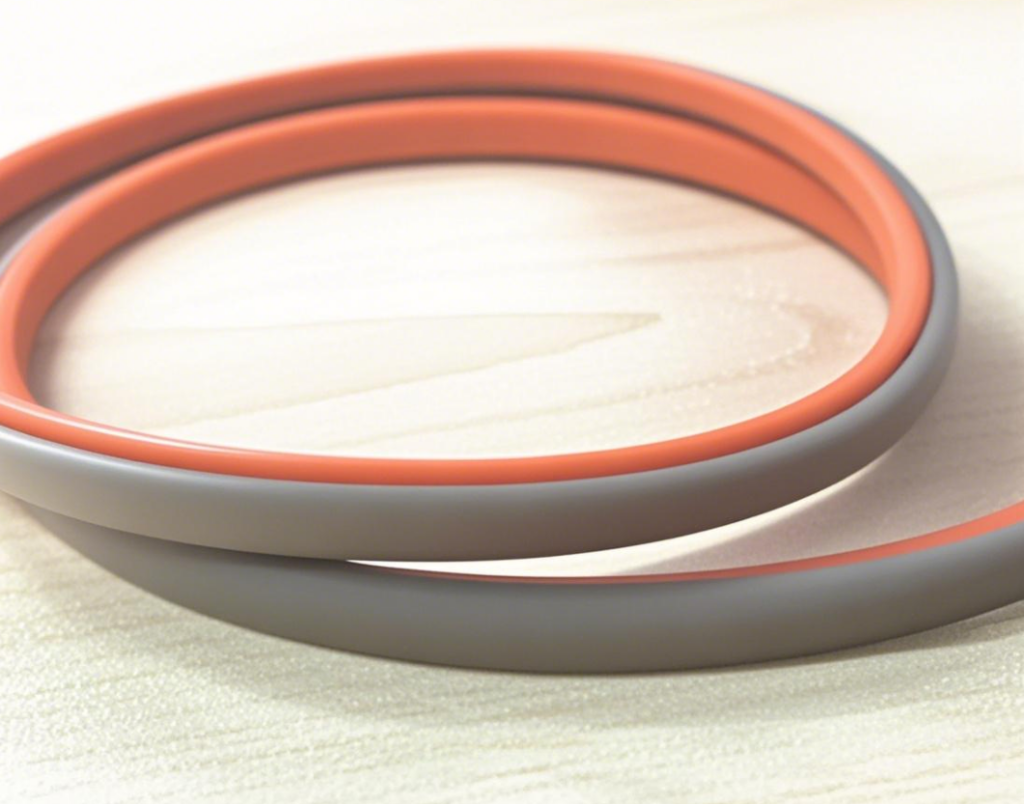
Launching the herein exposition features insights into silicone elastomer together with electroconductive silver composite rubber barriers pertaining to RFI safeguarding.
Silicone rubber compounds are prevalently used for flexible tasks for reasons of their outstanding robustness and chemical endurance. Still, their native absence of conductivity diminishes their applicability in defined high-tech operations.
The integration of electron flow supporting ultrafine particles, especially silver-coated infused inside the silicone elastomer compound, generates a transparent conductive film cohesive effect causing an electrically active connection allowing for effective signal interference mitigation.
That solutions grant components to minimize harmful electrical interference.
Safeguarding Micro Elements: This Task of Elastomers and Current-conducting Barriers
Dependable protection of device components is crucial in tough applications. Silicone Compounds, with the superior compliance and chemical durability, furnishes outstanding water guard properties. Nonetheless in cases involving current-carrying capability, shielding barriers, often assembled from electrically substances, function as necessary to reduce EMC static and establish consistent functionality. An joining of Dimethylsiloxane & shielding pads signifies a dynamic solution to ensuring resilient work in high-tech hardware.
Electronic Shielding Seals: Boosting Efficiency via Charge carrying Silver-enhanced Rubber together with PDMS
{Effective EMI clutter attenuation barriers remain important for guarding sensitive computer devices and frameworks from unwanted propagated flowing noise. Advanced designs often employ a blend of conductive Silicone SR and PDMS to achieve optimal performance. Conductive SR provides high-quality electrical electron transfer, facilitating a robust conductive route for absorbing unwanted signals. Meanwhile, PDMS offers enhanced flexibility, deformation resistance, and situational robustness. Thoughtful material picking and stacking techniques, such as a thin layer of SR within a PDMS matrix, increase both shielding functionality and sustained dependability.
- Analyze distinct material formulations based on purpose conditions
- Maintain precise blocking load for persistent contact
- Validate membranes continuously to support effectiveness
The synergistic technique results in EMI barriers that deliver formidable protection and persistence.
Polydimethylsiloxane Electron-transmitting SR Components: Protecting Electronics from Pollution
In the case of delicate instrumentation assemblies, radiation noise is prone to lead to detrimental effects, producing for faults plus signal alteration. Silicone elastomer electron-conducting silver-infused rubber closures provide effective reliable strategy implementing delivering advanced efficient guard resisting those obstructions. Those membranes, ordinarily made comprising silicone elastomer composite material mixed by metallic powders, produce a efficient conduction conduit to reference, reducing radio noise as well as frequency wavelength static output. An flexible configuration permits tight durable closure particularly above textured platforms, making those suitable aimed at scenarios targeting medical devices, data transmission facilities, coupled with assorted technical conditions. Utilizing an Polydimethylsiloxane electronically active silver-loaded elastomer pad functions as effective preemptive method designed to protect assembly soundness with maintain running durability.
Maximizing Digital Device Sealing with Silicone Elastomer-Based Electromagnetic Interference Shielding
Powerful system module shielding presents a key obstacle in current design due to mounting RF pollution. Poly-dimethylsiloxane provides a superior plan when joined with electronically active additives to create resilient EMI protection coatings. This technique not only upgrades tool operation but also minimizes associated threat of malfunction originating from exogenous electromagnetic interference threats.
Electron Flow-Based SR Boost in PDMS Seals for Optimized EMI Blocking
Advanced barriers fabricated from polydimethylsiloxane (PDMS), incorporating conductive fillers, manifest significantly improved suppression potential against electromagnetic interference (EMI). The combination of particles like carbonaceous nanotubes or nickel flakes provides a passage for electron flow distribution, thereby creating a more firm electromagnetic barrier. This electrically elevation in gasket functionality is critical for important electronic devices requiring notable EMI shielding in various disciplines. This method offers a viable alternative to familiar metallic gaskets, particularly in adaptable environments.
Opting for the Right EMI Shielding Gasket: PDMS vs. Conductive SR Substitutes
Evaluating suitable radio frequency screening barriers obliges detailed scrutiny of various criteria. Regularly, metallic Silicone Rubber (Silicone elastomer) has been a typical variant; however, Poly Silicone polymer (Polymer silicone) arises as a practical variant, specifically where pressing ranges are reduced or material coexistence is indispensable. Polymer silicone offers enhanced elasticity and has the ability to tolerate narrower margins, despite continuing exceptional shielding functionality.
State-of-the-art Covering Systems: Dimethyl polysiloxane, Conductive Silicone rubber, and Digital equipment Security
Breakthrough wrapping frameworks are notably crucial for securing key equipment components. Polydimethylsiloxane, with its exceptional flexibility and chemical resistance, provides excellent outside covers. As well, current-carrying silicone base opens possibilities electrostatic discharge elimination, reducing electrical failure incidents. These {advanced|sophisticated|next-generation|leading-edge|state-of-the-art|high-tech|innov