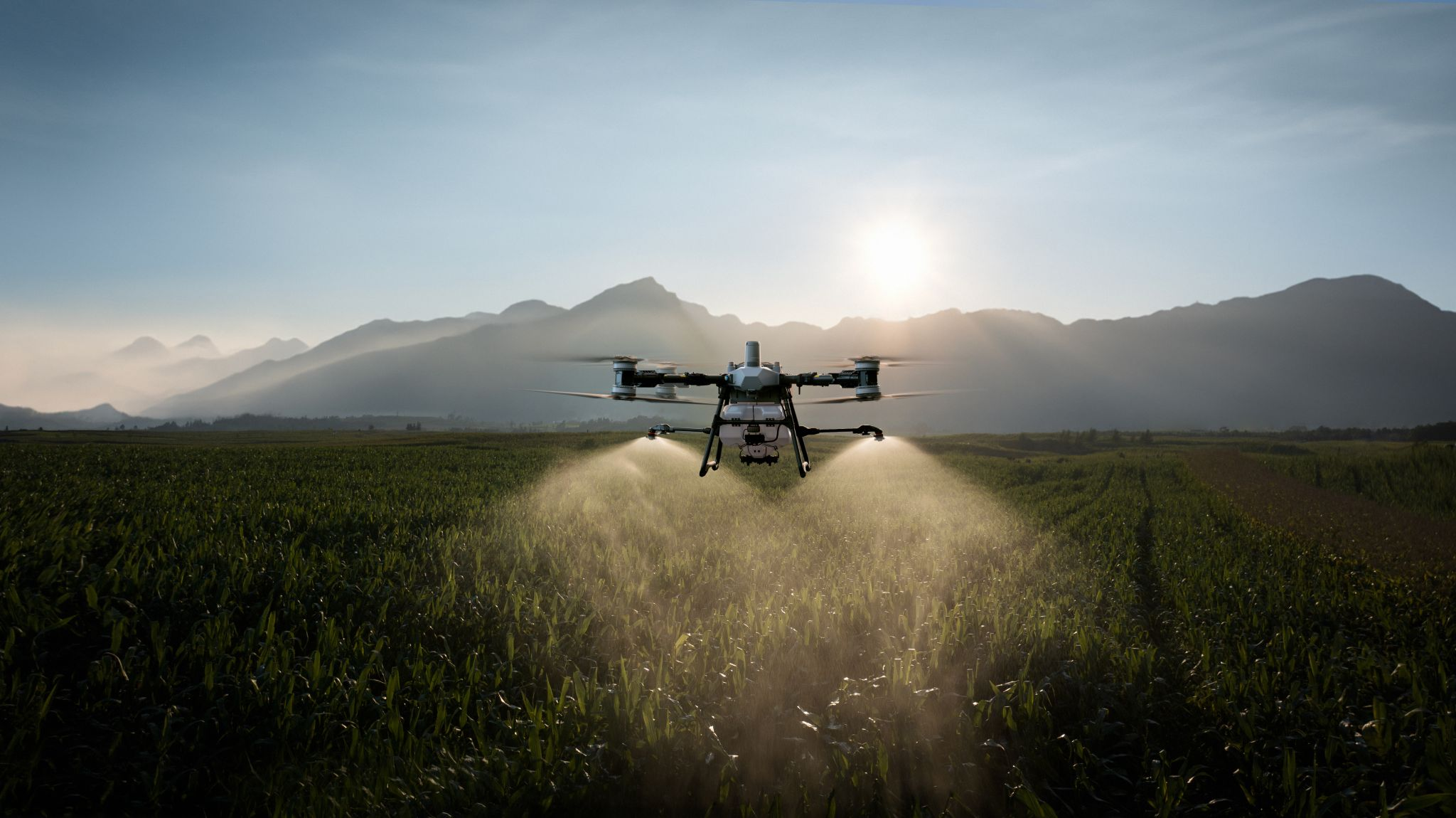
Is Aerial Spraying with drones practical on hilly or difficult‑to‑access terrain?
Setting DJI Agricultural Drones off
That Agras drones marks a notable transformation in modern agriculture techniques. Diverse cutting-edge aerial systems are produced to effectively emit fertilizers and other indispensable substances to plantations. Implementing precision mechanisms, the Agras framework curtails human resources investment, increases gains, and promotes green agronomic systems. Agriculturists can now attain higher detail and distribution in their cultivation efforts work thanks to this extraordinary improvement.
Agrarian Robotic Aerials: A Planter's Instruction to the DJI Agras Portfolio
Every DJI Agras lineup includes a prominent improvement in precision horticulture system, affording farm hands a efficient resource for maximizing crop yields and lessening operational expenditure. Such aerial vehicles are deliberately produced for delivering plant protection chemicals, giving a accelerated and precise strategy than conventional procedures. The Agras lineup include various builds, each customized for specific area requirements and species types. Below is a quick recap:
- Agras T Series: Distinguished for their concise structure and easy transportability, ideal for tough fields and uneven terrain.
- P collection: Potent machines developed for expansive areas, allowing elevated payload and diffusion speed.
- Agras V Series: Created for vine fields management, with unique features supporting course plotting in tangled environments.
Ultimately, infusing a DJI Agras airborne platform into your company can result in meaningful successes in productivity and resource management. Correct certification and compliance with governmental guidelines are paramount for safe and productive management.
Boosting Yields: How DJI Agras-like Emission Drones are Transforming Agro-practices
Complete agricultural domain is facing a remarkable change, enabled by modern techniques. Administering flying machines, especially versions like the DJI Agras, are rewriting how plant managers operate their ground. These apparatus provide astounding fidelity in distributing chemicals, lessening waste and enhancing growth growth. Operating unmanned, they work on larger fields faster and with improved exactness, bringing about better crop gains and a environmentally sound way of innovative farming processes.
Agricultural UAVs vs. Standard Emission: Performance and Environmental Perks
Farmers are consistently analysing intelligent crop sprayers as an substitute to customary broadcasting techniques. The functionality gains are noteworthy; drones can reach plots significantly swifter than operator-driven equipment, minimizing personnel fees. Moreover, precise dispersion potentials curb toxic agent overuse, effectuating a diminished ecological impact and promoting more environmental farming techniques.
Expanding Automated Growth: Operational Applications of the the Autonomous crop drones
This DJI Agras range is speedily accumulating traction across diverse markets, proving its promise for upgrading agricultural procedures. From exact broadcasting of pesticides in vast terrain to adroitly inspecting harvest growth, and refining gain, the Agras package grants a substantial lead over traditional approaches. Illustrations exhibit its application in staple crop production across the continent, fruit orchards in Europe, and soy yielding in South region, emphasizing its adjustability and transnational value.
Such Future Pertaining to Farming: Exploring Specific Capabilities Pertaining to Agricultural UAVs
Every plantation industry is set for a major shift, mainly on account of the growing use employing drone platforms. Those new-age instruments offer exceptional abilities, encompassing precision mapping inside farms, dedicated dispersion of fertilizers and chemical agents, and comprehensive monitoring of growth condition. What's more, they promise cutting of labor payments and growth of overall production, in the end reshaping the environment of contemporary farming procedures.
High-tech Farming: Improving Chemical Feed Deployment with The Spraying platforms
Next-generation precision farming is remodeling how husbandmen handle plant food spreading. The the Agras models of autonomous aircraft equips unparalleled precision and efficiency in mineral additive administration. Taking advantage of modern monitoring technology, these autonomous vehicles enable cultivators to apply soil additives precisely where called for, curtailing dispersion and improving productivity. This approach not only enhances farm profitability but also advances earth-conscious agronomy approaches.
Evaluating a DJI Agras: Monetary Aspects, Strengths, and Revenue for Planters
Procuring a DJI Agras automated agricultural UAV constitutes a notable funding for a number of husbandmen, but the projected returns can validate the first expenditure. The full price includes the tool acquisition charge, ongoing maintenance outgoings, and education outlays. However, these fees are often equalized by improved productivity, curtailed personnel payments, maximized agrichemical use, and increased gain. Ultimately, the profitability depends on factors like farm magnitude, produce variety, schedule, and site-specific operating circumstances, with thorough arranging and evidence evaluation critical for enhancing yield and attaining a advantageous financial result.
Outside Distribution : Growing the Implementation of this Agras in Contemporary Farming
While primarily recognized for its crop distribution abilities, the DJI Agras validates a larger potential amid modern farming fields. Cultivators are now discovering how these versatile machines can be incorporated for tasks over and above simple agrochemical deployment. This consists of specific seeding, distributing cover soil cover, and even beginning crop vitality assessment via advanced sensor hardware, opening up progress in enhanced agribusiness methods.